
By ICG member Arthur Fletcher
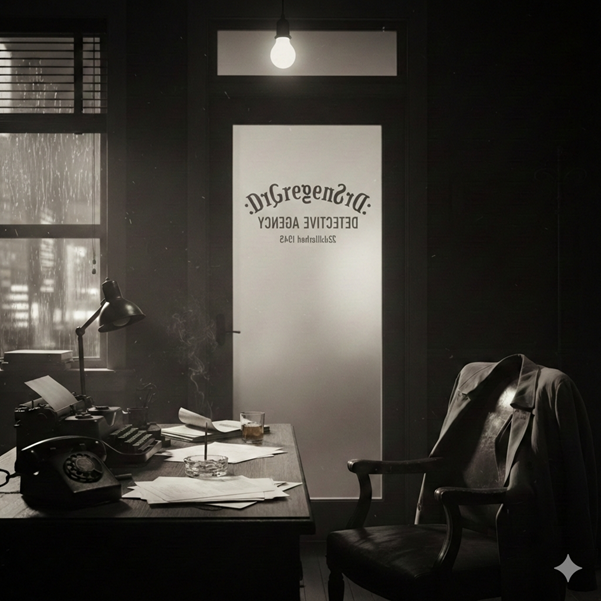
For years I loved interviewing people and quietly dreaded everything that came afterwards. AI didn’t replace my craft – it gave it back to me.
Most qualitative researchers I know love the same part of the job:
- The interviews
- The focus groups
- The moments when someone says something that genuinely matters.
I believe there’s an intimacy in good qualitative work that isn’t always acknowledged. It’s a temporary contract between two people: one asking thoughtful questions, the other being given permission to share what they really think and feel. The best qualitative researchers are great communicators, careful listeners and instinctive analysts. We ask, listen, notice what’s missing and adapt our questions in real time.
For me, a qualitative enquiry feels like detective work. You don’t accept the first answer you’re given – you probe, circle back, test assumptions – following threads until something deeper reveals itself. When a session ends well, you have a quiet sense of achievement:
I did my job properly. I learned something useful, something insightful that will help my client understand their customers more clearly.
And then comes the part I dread – the analysis.
Re-watching recordings can feel like reliving your life, only slower. Transcripts are unforgiving – slabs of text stripped of tone and warmth. Making notes is laborious. Cutting, tagging and condensing hours of rich personal conversation into something coherent and insightful is hard work, and not always the good kind:
- What should I keep?
- What should I leave out?
- How do I decide, with deadlines looming and energy fading?
The irony is that this is exactly when we should be at our best. But the pressure doesn’t help interpretation and the grind doesn’t encourage curiosity. If I’m honest, there were times when the sheer weight of analysis dulled the joy I felt during fieldwork. If it weren’t for the analysis, I’d happily interview all day long.
But then comes the presentation, the part we all look forward to.
This is where everything comes together – where great questions and response driven probing turn into insights. This is where clients see something they hadn’t fully understood before, the knowing nods of appreciation feel earned. I have to admit there’s a sort of performative pleasure to it, even a little preening. We bask briefly in our feathered glory… before returning to our desks and the next round of transcripts.
This is where AI changed everything for me:
- Not as a shortcut
- Not as a replacement
- But as a partner
I now analyse my qualitative work with AI beside me – tireless and attentive with a perfect memory of every word spoken in every session. I can start at a high level, understand the overall landscape, and then choose where to go deeper. I can follow themes, test interpretations, explore contradictions and revisit ideas with fresh eyes.
This is where the detective in me solves the crime – method, motive and opportunity.
Working with my little AI friend feels less like trawling through material and more like continuing the conversation. It’s an opportunity to question my respondents again, this time where I can see the whole picture at once.
Crucially, AI gives me back the time I lost in lengthy and sometimes laborious video/transcript reviewing. It gives me the time to think and reflect on the responses and do the parts of the job that made me fall in love with qualitative research in the first place – sense-making, interpretation and recommendation.
My analysis is more comprehensive because nothing is forgotten and my thinking is sharper because I’m not exhausted by the mechanics. I feel more like a researcher again and less like a data janitor.
So no, AI doesn’t make qualitative research colder or more mechanical for me, it liberates me to produce work which is more comprehensive, more insightful and more valuable to my clients.
It also did something far more surprising.
It helped me stop worrying and start loving analysis again!