
Topic: Diversity, Inclusion & Sustainability

  • RECORDING: SomeBOTy to Love: New Findings on Social Relationships & AI

    RECORDING: SomeBOTy to Love: New Findings on Social Relationships & AI

    We are delighted to welcome Brooke Schlesinger, YouGov (Australia) to talk through their work which explores AI companionship.

    AI chatbots have moved further into everyday life, as tools for productivity and information, and as social and emotional actors embedded within people’s routines. As these technologies become more culturally present, YouGov wanted to better understand how Australians are negotiating this shift.

    The first wave of research was conducted in 2025, and the second in early 2026. The 2026 wave explored more deeply the differing social roles AI chatbots are beginning to play: from companionship and emotional support to entertainment, intimacy, and everyday conversation.

    This research also examines the self-reported impacts of these interactions beyond the screen itself: how engagement with AI may be influencing loneliness, social connection, behaviour, relationships, and broader perceptions of human interaction in contemporary Australian life.

    Whilst the two waves of research focused on Australia, Brooke will also share some global findings on the subject at the end the talk.

    We will then conclude with a q&a and discussion.

    Brooke Schlesinger

    Brooke is an Associate Director at YouGov in Sydney, specialising in qualitative and quantitative research at the intersection of culture, politics, and society. With over a decade of experience, she has led studies on social issues, political sentiment, and cultural trends, helping clients understand what people think, and why.

    Her work is driven by a curiosity about how people engage with modern phenomena, and what those responses reveal about our values, our deepest desires, and the futures we may be moving toward. Brooke’s background includes roles at TED Talks and the Ad Council in New York, where she worked at the nexus of research, media and communications, and cultural insight. This experience, combined with academic training in history, gives her a distinctive ability to pair rigorous analysis with compelling storytelling.

    Since joining YouGov, Brooke has designed and delivered custom research for government, public sector, and other organisations, as well as leading YouGov self-initiated research. Her work bridges the granular and the global: whether understanding how Australians respond to a specific issue, behaviour, or piece of creative, or identifying the broader mindsets shaping those responses. The result is insight that is both deeply human and strategically useful.

    Brooke’s research has attracted national and international media coverage. Her 2025 study on Australians and AI companionship was featured across ABC platforms, reached millions of listeners, was cited in academic research, and led to an invitation to present internationally. Her analysis of Australians’ attitudes toward Artemis II also received significant coverage, including on ABC, and was featured on the Australian Space Agency’s homepage.

    A dual citizen of the US and Australia, Brooke brings both local expertise and a global perspective.


    Link to the first wave findings here

    Recording here 

  • AI and Tech for Sustainability and the Environment

    AI and Tech for Sustainability and the Environment


    Article by ICG member Brian Loeb, LeapVision.

    As a researcher / strategist who is a big fan of tech and innovation, but who also treasures the environment, I’m on a mission to better understand the perspectives of consumers, businesses, policy makers, innovators, etc. on tech, AI and their impact on sustainability initiatives and the environment.


    Especially, I want to explore how we can switch the conversation from doom-saying (and doom-scrolling) to highlighting the many ways AI and tech are having positive impacts on sustainability and environmentally friendly goals and initiatives.

    The potential benefits are many and varied and with the list below I’m just scratching the surface of what is being done and what could potentially be done:

    • Optimization of resource management, including electricity, water, gas, etc.
    • Smarter cities and more effective urban planning for transport, mobility, and better recycling and waste management systems
    • Better building management systems (BMS) for more efficient energy and resource management
    • More accurate and transparent carbon footprint tracking and reporting
    • Discovery and design of new sustainable, recyclable or biodegradable materials, industrial equipment and processes for better management over the whole product lifecycle
    • Better models for forecasting the environmental impact of business activities, real estate developments, and public projects, as well as better models for valuing natural assets and ensuring that this value (or loss of) is factored into financial forecasts and investment decisions
    • Better models for valuing real estate which take more adequately into account climate risk, climate-related resiliency, and a whole array of risks ranging from ESG reputational to insurance underwriting
    • Optimization of electricity grids, including location of renewables and the timing of their collections, storage and distribution activities
    • More efficient supply chain management (SCM) and better tracking to ensure sustainable practices along the whole supply chain
    • Better understanding of ecosystems, facilitating the spread of regenerative agriculture and agroforestry systems
    • More effective irrigation systems that conserve water while improving soil health, and better soil management systems that help reduce the need for fertilizer, pesticide and herbicide
    • Analysis of satellite data to track and analyze deforestation, unauthorized industrial activities, pollution, water quality and the impacts of climate change
    • Better systems for tracking and understanding wildlife migration patterns

    I’m going to dive deeper, exploring key concerns relevant to consumers, businesses, NGOs, associations, public entities, agencies, consultants, entrepreneurs, investors, etc. such as:

    • How can we best use tech and AI in conjunction with our own human intelligence for advancing sustainability and benefiting the environment? And crucially, how can these benefits be amplified enough to outweigh the detrimental impacts (massive amounts of energy and water to run data centers, exploitative mining of rare earth minerals, mountains of tech waste that tech…)?
    • How can we better understand what customers and audiences worry about regarding the negative impacts of AI on the environment?
    • How can we educate consumers on how to best identify which products and services are more sustainable, as well as how to most sustainably use and recycle products?
    • How can companies, organizations, government entities and trade bodies communicate effectively and honestly their initiatives and generate buy-in from stakeholders, employees and consumers?
    • How can we create and program tech and AI that will naturally seek to optimize the well-being of social and natural systems, instilling in their very nature the mission to create positive outcomes and minimize detrimental ones?

    Please feel free to get in touch with me to discuss, provide feedback, offer suggestions, examples, etc. via LinkedIn or emailing brian@leapvision.com

    * Notes: The leading image was made with Copilot (I requested several and chose the ones I liked best – some were creepy like the planet Earth in a robot’s hand!), but the overall content was researched and the text written by myself. I did ask Copilot to write an article on the same topic and incorporated a phrase here and there, but I’m happy to report that overall mine was more complete and better written (at least to my taste). That said, it took me a few days and it took Copilot a few seconds!

    Brian Loeb | LinkedIn

  • RECORDING: Colour of Research and the Importance of Representation in Research

    RECORDING: Colour of Research and the Importance of Representation in Research

    This webinar is generously sponsored by Yonder Data Solutions who are a trusted fieldwork and data collection company offering numerous services such as UK/International online data collection, advanced analytics, CATI, dashboards and visualisation, AI technology and omnibus services

    Come and hear from Daniel Singham (Yonder Data Solutions) and ICG member Sonal Malkan, about:

    A bit about CORe

    CORe advocates for the inclusion of ethnic professionals in the market research industry. We aim to provide guidance and encouragement while forging meaningful connections to enable growth and development.

    Daniel Singham

    Daniel is the Commercial Director at Yonder Data Solutions, on the steering committee for CORe, and represents CORe on the MRS EDI Council. Daniel has been in the industry for 19 years and his specialism is in all things quant.

    Sonal Malkan

    Sonal is a qualitative researcher and behavioural science consultant with experience across private, public and third sectors. She’s passionate about using research to make a difference to groups considered to be marginalised in society.

    Further info

    Recording here

  • Rethinking Sustainable Packaging in FMCG

    Rethinking Sustainable Packaging in FMCG

    This article was written by Benori, an ICG Advertiser and Lunch&Learn presenter. and a supplier to several ICG members. 

    The FMCG sector is rapidly adopting sustainable packaging due to rising environmental concerns and consumer demands. Shifting from traditional methods, companies now focus on eco-friendly materials and innovative designs like plant-based plastics and reusable packaging. Despite challenges such as cost and durability, the commitment to reducing waste and enhancing environmental protection remains the foremost plan of action. Collaboration and new technologies are driving this transformation, and the future holds promise with more biodegradable materials and smart packaging solutions. Explore the complexities and innovations shaping this significant shift in this report.


    VIEW THE FULL REPORT HERE 

    https://theicg.co.uk/advert/benori-bespoke-research-solutions/


  • Embracing Diversity: Strategies for Inclusive Excellence in the Workplace and Research

    Embracing Diversity: Strategies for Inclusive Excellence in the Workplace and Research

    Article written by  Daniel Singham, Commercial Director, of Yonder Data Solutions.

    The beginning

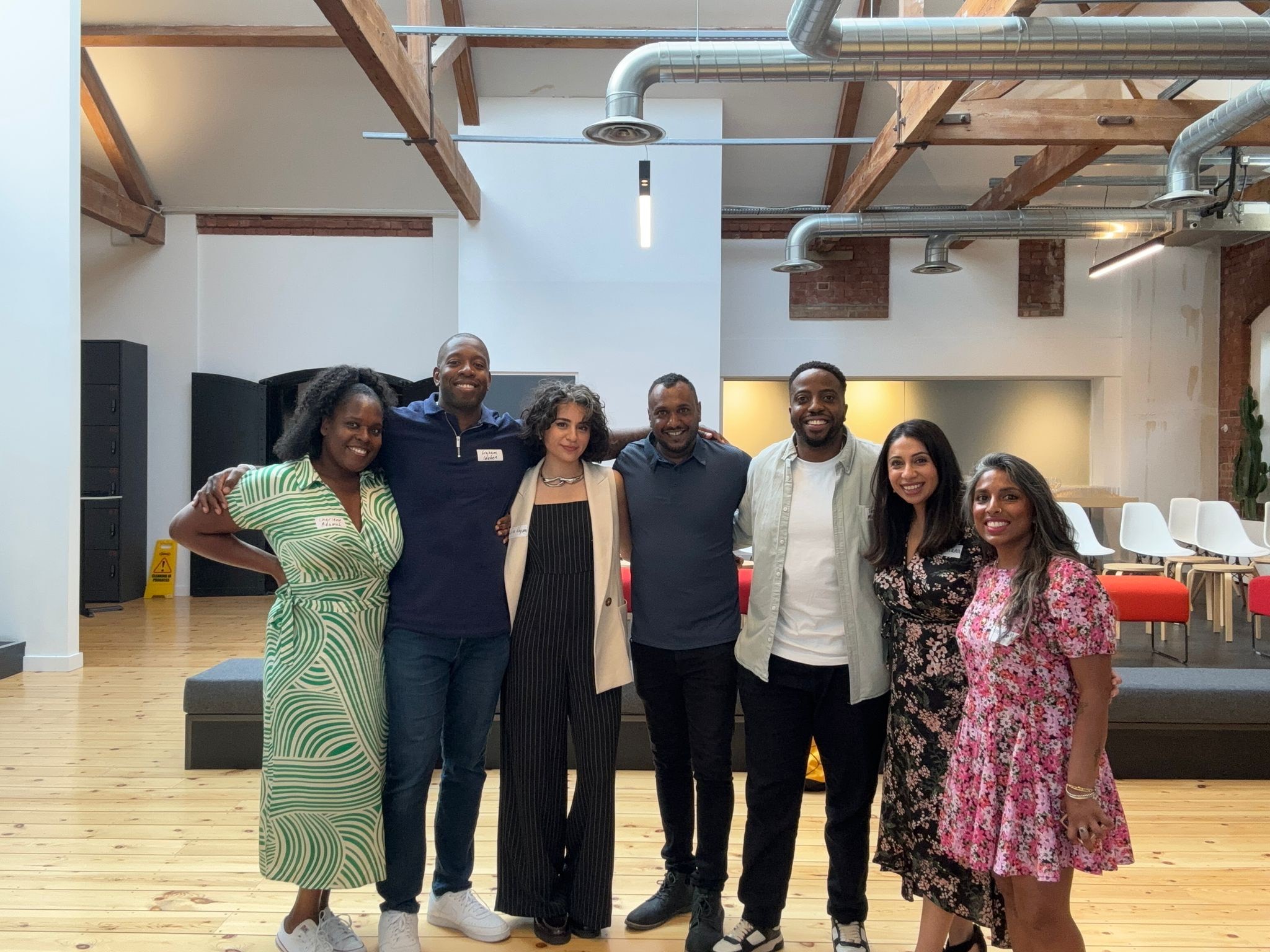
    In the summer of 2023, after a brief discussion with industry leaders Shazia Ginai and Babita Earle, I joined the Colour of Research (CORe) steering committee and the MRS Equality, Diversity and Inclusion Council, embarking on an amazing journey of personal growth, learning, and expanding connections. Together, we collaborate with various MRS Purpose Groups to drive positive change throughout our industry, aiming to create a sector that genuinely represents the world we seek to understand. In June 2024, CORe hosted our first in-person event, which was a tremendous success for both us and our audience, receiving robust support from the industry. The event was hosted at our offices here at Yonder Data Solutions and sponsored by Savanta, IPSOS, The Mix, and Hasson Associates. We extend our heartfelt thanks to all of them, as their support was vital to the event’s success.

    What is Colour of Research?

    Colour of Research actively promotes the inclusion of ethnic professionals in the market research industry. Our goal is to provide support and motivation while creating meaningful connections to foster growth and development.

    The objective of the event was for a deeper understanding of our purpose, showcase examples of our impact, highlight genuine allyship, and suggested actions we can all take to make this industry inclusive for everyone. We are proud of our progress and grateful for your support in this journey towards change.

    How important is representation in research? What are the benefits?

    A primary focus of ours is on the crucial role of representation in research (external practice). For those unaware, the MRS has a Representation in Research Steering Group which I strongly encourage you to follow and collaborate with to refine research approaches and enhance the depth of insights.

    We believe that a nationally representative sample must have a strong enough similarity to the population of the country being studied in order that results will be valid. This means ensuring that the sample represents the country’s population in key demographic characteristics. For instance, at Yonder Data Solutions, our established national representative sample for the UK has included representative quotas on gender, age, region, social grade and ethnicity for several years.

    The value of diversity in market research cannot be overstated, it fosters innovation, enhances market intelligence, and appeals to a consumer base that values inclusivity. As a Commercial Director, I champion inclusive research practices, recognising their role not only in securing competitive advantages but also in contributing to a more equitable and diverse marketplace. By prioritising diverse perspectives in our research strategies, we not only strengthen our competitive edge but also support the development of a more inclusive industry.

    Representation in research mitigates the risks of cultural biases that can lead to market failures. By understanding diverse perspectives, companies can foresee potential problems before they occur, adjust strategies timely, and avoid costly mistakes.

    Diverse groups bring different viewpoints to the table, leading to innovative and creative solutions. When market research is inclusive, it captures these varied perspectives, often leading to breakthrough ideas and pioneering products that keep companies ahead of their competition.

    Choosing the right research methodology is crucial. While online research is quicker and more cost-efficient, it often overlooks significant segments of the population like those with limited digital access or narrow internet usage. Other hard-to-reach groups via online methods include individuals with mental health issues, disabilities and residents of rural areas. A single methodology might be sufficient for specific target audiences, but a mixed methodology approach is essential for achieving a truly nationally representative sample where it is applicable to the brief at hand. It is our responsibility to advocate for and implement these comprehensive strategies with brands and agencies. The initiative must begin with us.

    How important are diverse teams to a business?

    We focus on internal strategies as well, encompassing HR, recruitment, affinity groups, DE&I internal committees, and general DE&I committees in association with the Market Research Society. We acknowledge the underrepresentation of ethnic minorities in the research industry, particularly within senior leadership. There exists a prevailing sense of uncertainty on how to effectively address this issue, a shortage of diverse new talent entering the field, and insufficient awareness among potential allies regarding these challenges. Diversity encompasses a wide range of identity factors, including gender, race, ethnicity, age, sexual orientation, religion, and educational background.

    DEI not only benefits the internal dynamics of a company but also enhances its external interactions and societal contributions. It is vital for sustainable growth and social development.

    A positive initial action is to support the MRS Inclusion Pledge where CEOs commit towards creating safer and more representative workplaces. The pledge includes: publishing pay statistics annually, working towards government targets for women and ethnic minorities at board level and improving recruitment practices.

    Call to action

    If you are interested in having CORe speak at your business, please feel free to get in touch. I would also recommend exploring the MRS Purpose groups, which include MRS Pride, MRS Unlimited, MRS Social Inclusion Group, and Women in Research.

  • Recording: How Bad Are Focus Groups? Carbon Literacy for Researchers

    Recording: How Bad Are Focus Groups? Carbon Literacy for Researchers

    The webinar acts as a bitesize introduction to the full one-day training, Carbon Literacy for the Insights Sector, accredited by the Carbon Literacy Project and starts to answer these questions:

    • What is carbon literacy?
    • What does a tonne of carbon look like and what does it mean?
    • How bad are focus groups? (Clue: Not necessarily that bad)
    • What about the insights sector – how is it doing?
    • What steps should we take to reduce our own and our sector emissions?
    • What types of steps have others taken?
    • How can we maximise our own and our organisations’ impact?
    • How can I become certified Carbon Literate?

    Why people should attend

    Knowing what actions to take that will really reduce our emissions, as individuals, communities and organisations is complex and challenging and can often leave us either paralysed, or potentially making less helpful decisions.

    Our role as insight professionals arguably gives us even greater responsibility, as we advise client organisations in our project work.

    By becoming Carbon Literate – learning where we have the most impact and what we can do to reduce it – we can start to get our own houses in order and be in a strong position to advise clients, with a clearer understanding of the relative impact of our activities, to make the greatest impact in reaching Net Zero.

    Jenny Kedros, Independent researcher (and ICG member) and climate educator, Kedros Consulting Ltd.

    LinkedIn www.linkedin.com/in/jenny-kedros

    https://theicg.co.uk/member/jennykedros-consulting-co-uk/


    Jenny is an independent research consultant and climate educator with specialisms in education and sustainability. As Shift Insight’s Research and Insights Director till 2023, Jenny led on education research as well as developing sustainability as a core specialism. She works with agencies and clients on education and sustainability research projects, and continues to create new, and learn existing, climate education courses and workshops.

    Jenny completed The Oxford Climate Emergency Programme with the University of Oxford (Saïd Business School and The Smith Institute of Enterprise and Environment) in 2021 and was certified Carbon Literate after attending the Carbon Literacy for Interested Organisations course in 2022. Her organisational pledge was to create a sector specific Carbon Literacy course, which was developed with her team at Shift with support from the Insights Climate Collective. The full training was accredited by the Carbon Literacy Project in May 2023 and has been delivered in-house in agencies and via the MRS.

    The current average carbon footprint of a UK citizen is 12.7 tonnes CO2e. At the time of writing in June 2024 the Carbon Literacy Project estimated the amount of carbon saved by delegates’ pledged actions across the whole project to be at least 348,000 tonnes of CO2e.

    Watch the webinar here 

    Further info: https://www.youtube.com/watch?app=desktop&v=ma-16mYsilA


  • Diversity and Inclusion over the Last 25 Years: Ethnic Dimension

    Diversity and Inclusion over the Last 25 Years: Ethnic Dimension

    Ethnic Dimension, set up by ICG member Jag Poonia, is 25 years old this month (June) and is still going strong.

    Over the years, this specialist agency has helped ensure racially diverse voices are represented and included in market research, way before Diversity and Inclusion was an explicit focus for clients and the industry.

    It has been talking, listening and understanding the UK’s racially diverse communities for brands, charities and the social sector, helping them to reach and engage in ways that are culturally sensitive. The focus has always been to uncover the nuances among and between these communities that bring them to life for clients.

    Specialists from South Asian, Black Caribbean and Black African heritages have been storytellers on a wide range of important social issues: knife crime, female genital mutilation, mental health, the Covid pandemic, sexual health, obesity, smoking, among other things.

    Throughout the last 25 years we seen societal changes triggered by events that have impacted the lives of people of colour including race equality legislation, the death of Stephen Lawrence and George Floyd, the Black Lives Matter movement and Covid-19.

    Research has provided a platform for them to express their responses, lived experiences and how these events have coloured their perspectives of the society they live in, organisations and brands that serve them as consumers, and the extent to which they feel public services meet their needs.

    It has been an incredible journey, and there is real gratitude for all of those respondents who have shared their voices with honesty, fortitude and humour.


  • RECORDING: MRS Inclusion Pledge: Panel Debate and Q&A

    RECORDING: MRS Inclusion Pledge: Panel Debate and Q&A

    Join us on Tuesday 12 September, 11am-12 noon, for a Panel Debate and Q&A Session about the MRS Inclusion Pledge. 


    The panel will comprise of agency and client-side Equality, Diversity and Inclusion (EDI) representatives:

    • Rebecca Cole
    • Kate Dale
    • Theo Francis
    • Nick Baker
    • Georgie White

    In addition to hearing their perspectives on some relevant questions, you’ll also hear a bit more about how the Inclusion Pledge could fit your business, and have the opportunity to ask your own questions.

    FIND OUT MORE ABOUT THE PLEDGE AND SIGN UP HERE

    RECORDING OF PANEL DEBATE HERE 

  • Inclusive Research Design: Why It Matters and Practical Hints and Tips

    Inclusive Research Design: Why It Matters and Practical Hints and Tips

    Article by ICG member Julie Ellison,  Emerald Insights 

    https://www.linkedin.com/in/julie-ellison-6a270964/

    As a researcher with a personal interest in inclusive research, I have seen first-hand the challenges faced by people with disabilities. My sister became physically disabled as young mum of three boys following a brain tumour. I have seen how she has had to overcome many obstacles in her life simply because products and services are not designed with her in mind. For example issues using websites and apps because they aren’t inclusively designed or having to give up on using a product or service because she can’t open, use or navigate it.

    I’m passionate about making research more inclusive to reflect the people who actually do, or potentially could, use a specific product or service. Recently I delivered a face-to-face qualitative project focusing on usability and designing for the future. The project involved a series inclusive groups and in-depth interviews (IDIs) with people with a wide variety of different people including those with visual, dexterity, and cognitive challenges. As a moderator, I found these groups to be hugely worthwhile and rewarding. The participants were highly engaged in the research, gave a different perspective offering insights into potential barriers of use (with some really innovative solutions). They even thanked me at the end for having the opportunity to participate in the research!

    This experience made me think about the importance of inclusive research design. When we are inclusive of people with disabilities, we get a more representative view of the population as a whole. We also create products and services that are more accessible and usable for everyone.

    Inclusive research design is the process of ensuring that all people, regardless of their abilities, have the opportunity to participate. There are a number of practical considerations to take into account when conducting inclusive face-to face Qualitative research. These include:

    1.Choosing an accessible location if face to face (or consider whether it can be adapted and delivered online/ mobile)

    The location should be accessible to all participants, including those with mobility challenges. This may mean choosing a location with ramps, accessible bathrooms, and wide doorways. It’s thinking through how participants move around the facilities during the research – this has involved me moving and changing furniture in a room to make it more comfortable!

    2. Using accessible materials and stimulus

    The research materials should be accessible to all participants, including those with visual or hearing impairments. This may mean using large print materials or using a different format for example printed boards or laminated individual stimulus packs. It can also involve providing sign language interpretation, or using audio recordings rather than relying on text. This applies to all documentation used including consent forms – its important participants are fully informed!

    3. Providing accommodations as required

    Participants may need accommodations, such as extra time, breaks, or assistance with communication. It is important to be flexible and accommodating to the needs of each participant and to understand exactly what these needs are during the recruitment phase. I’d advise allowing time pre-fieldwork to check what the participant would find helpful. This can also allow you to answer any questions or concerns they might have and set expectations for the research.

    4. Being respectful to participants needs

    Researchers should treat all participants with respect, regardless of their abilities. This means being sensitive to any needs and limitations, and avoiding any language or behaviour that is discriminatory or could offend. I’ve found that often its simply being curious and interested in listening to their story, lived experience & opinions. It’s about being observant and can be as simple as moving around the room more, crouching down beside someone to show stimulus or to check on understanding.

    5. Being flexible with your research approach

    It’s important to think through the research methodology to make sure it is truly inclusive. I’ve found that it is important to allow more time upfront to allow for any introductions and to listen to and understand the rich context that participants offer.  Most tasks can be adapted or changed to suit the audience and meet the objectives & don’t forget to utilise pre-tasks to strip back your discussion guide and give the flexibility of more time. Make sure that you are clear & concise in what you are asking and use everyday language. Be ready to change direction or flow of the discussion if needed. I normally shorten the length of groups (2 hrs is too long!) to 60-90 minutes and reduce groups size or conduct mini groups with 3-4 participants.

    Inclusive research is not always easy, but it is essential to ensure that all people have a voice in the research process. By following these practical considerations and working with clients to high-light the benefits to the research outputs and the valuable insights gained, we can help to create a more inclusive environment. Small adjustments can make a big difference. Inclusive research design is not just about doing the right thing. It’s also about making better products and services that are more accessible and usable for everyone.

    If you are a researcher, I encourage you to consider conducting inclusive research in your next project. It will make a difference!


  • MRS and ICG Inclusion Pledges

    On Weds 5th July,  the MRS held their first Inclusion Summit.  As part of this they launched a revised version of the MRS Inclusion Pledge.  This Pledge is geared towards agencies, with pledges such as pay parity, recruitment, etc.

    The ICG have been working on a pledge that is relevant and practical for independent consultants.

    This Pledge will work in the same way as the MRS Code of Conduct.  If you are a member of the MRS you can sign up to this via the MRS, and you will be subject to a degree of checks and balances.  However if you are an Independent you can declare your “allegiance” and that you agree to adhere to those promises.

    It would be great to see as many of you sign up and show your support as possible – if you agree to it of course! WATCH THIS SPACE FOR THE PLEDGE…