
Image @ Eating with Kirby
Article by |ICG member Felicia Schwartz, China Insight


I still remember that “Aha” moment.
I’d been living in China for a while, working on food projects and eating my way through markets and restaurants. And I kept noticing something distinctive. It wasn’t just about flavour or ingredients. It was about how food felt:
The cartilaginous crunch of a chicken foot, the silky slip of a preserved egg, the precise resistance of a well-made noodle between the teeth…Texture wasn’t secondary. It was central to enjoyment.
That realisation comes back to me in every food project I’ve worked on in the region since- most recently across whisky, biscuits and savoury foods in Greater China. I find myself once again reaching for a concept that has no adequate translation in English.
The Chinese call it 口感 (kougan) – mouthfeel. But that barely scratches the surface. The language contains dozens of nuanced terms to describe textural sensations that Western food vocabulary doesn’t quite match.
So what is it about texture?
In Chinese and many Asian food cultures:
- Texture (especially chewiness) extends and amplifies flavour perception
- Eating is understood as a holistic sensory experience, where the physical, almost “mechanical” interaction with food is essential
- Texture operates not just at dish level, but as a structural principle of the meal
It also carries cultural meaning ; for instance, long, firm noodles symbolise longevity.
And crucially – from snacks to beverages- texture is often the decisive factor in product success across China and wider APAC.
A few examples:
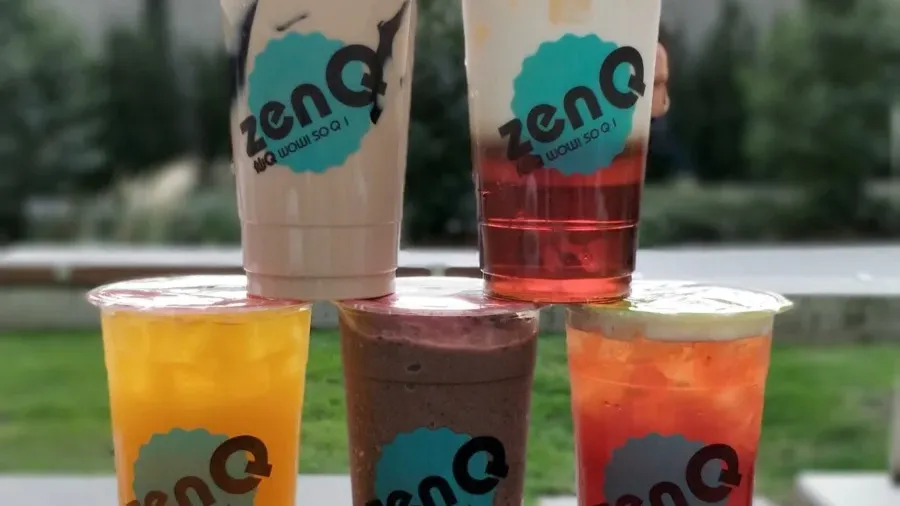
- Bubble tea chains recently serve cheese foam or cream-topped teas because the contrast between creamy foam and lighter teaadds indulgence
- Chinese milk bread uses tangzhong (a pre-cooked starch paste) to achieve a signature softness and elasticity, a similar light and airy feel sought after in the cake category
- Mochi ice cream balls deliver the now highly sought-after “Q” factor -a springy, bouncy chewiness of the rice-dough combined with creamy ice cream centers.
“Q” itself, as a term for a texture, has become a trend – visible across social media, packaging and retail language in Greater China. In a recent savoury project, it was the word consumers repeatedly used to describe what they valued texture-wise- from fish balls to tapioca pearls.
What this means for brands:
- Texture is non-negotiable: consumers will not trade it off-even for health or nutrition claims
- It shapes perception subconsciously: a slightly gritty functional drink can erode trust before a consumer can articulate why
- It’s a powerful innovation lever: to highly texture -articulate consumers in APAC, the right texture combinations like crunchy & creamy or smooth & chewy drive perceptions of freshness, indulgence and fun
- It’s culturally specific: from delicate smoothness in East Asia to richer creaminess in Southeast Asia -one-size-fits-all doesn’t work
Ultimately, it comes down to the questions we ask.
In cultural consumer research, the issue is rarely a lack of rigour – it’s asking the wrong questions. When it comes to food, Western frameworks tend to focus on flavour profiles and ingredients. But in China, consumers aren’t just asking what it tastes like. They’re asking: “Does it have the right mouthfeel?” -or more simply – “Does it have Q?”