
Article by ICG member Felicia Schwartz, China Insight.
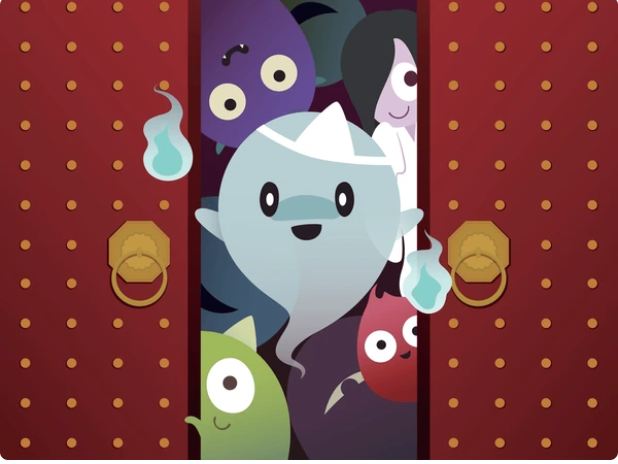
With China’s Hungry Ghost Festival concluded in September, Halloween around the corner, and Mexico’s Día de los Muertos following closely, it struck me how differently the returning dead behave across cultures. What began as seasonal musings turned dead-serious (pun intended)—these festivals reveal fundamental differences in consumer psychology.
China’s Hungry Ghost Festival honours spirits released during the seventh lunar month: beloved ancestors but also wandering “hungry ghosts” without descendants. Halloween, from Celtic Samhain, was coopted by Christians and evolved into playful fear divorced from reverence. Mexico’s Día de los Muertos, rooted in Aztec beliefs about death as transition, merged with Catholic tradition into a joyful family reunion with elaborate altars. and processions.
In short: Chinese ghosts are high-maintenance and need constant offerings. Western ghosts just want to party. Mexican ghosts are beloved relatives dropping by for dinner.
These different behaviours and attitudes really translate into three different cultural operating systems for decision-making that go well beyond the holidays.
China: Obligation
Chinese families burn offerings because they must—driven by filial duty and protective caution. This extends year-round: health products (“must protect family”), insurance (“must secure future”), luxury goods (“must show status”). Chinese consumers respond to products positioned as necessary duties.
West: Choice
Halloween operates on pure desire—transformation, self-expression, temporary escape. Participation triggers are FOMO and identity play, not duty. Western consumers seek choices that express individual identity: “what does this say about me?”
Latin America: Joyful Honor
Día de los Muertos transforms obligation into joy, duty into art. Spending is joy-driven—beautiful altars, colorful skeleton parades reminding us “death is just part of life.” Latin American consumers skew toward purchases that strengthen relationships through celebration.
Of culture evolves and there is a contemporary twist to this framework
China: Obligation meets efficiency
Young urban Chinese remain selective about which traditions deserve their duty impulse. Authorities now promote “Cloud Offerings” via WeChat, replacing burned paper. Brands can modernize the form if they preserve the purpose: protection, family security, respect.
West: Identity expression amplified
The $3+ billion Halloween costume market reveals consumers want meaningful choices expressing individual identity. Social media amplifies this but doesn’t change the core driver: “this is who I am.”
Latin America: Authenticity under pressure
As Día de los Muertos goes global (the “Coco effect”), Mexican consumers face tension between modernizing presentation and defending cultural meaning. Authentic craftsmanship and cultural integrity are non-negotiable. Brands must prove they understand the why, not just the aesthetic.
The Pattern
Modern consumers globally are more selective about which traditions to embrace, but when they commit, they demand deeper authenticity and meaning. The opportunity for brands lies in honouring tradition while feeling contemporary, being efficient while meaningful, innovative while respectful.
After all, how you honour the dead says everything about how you live—and what you buy.