Topic: Running your Business

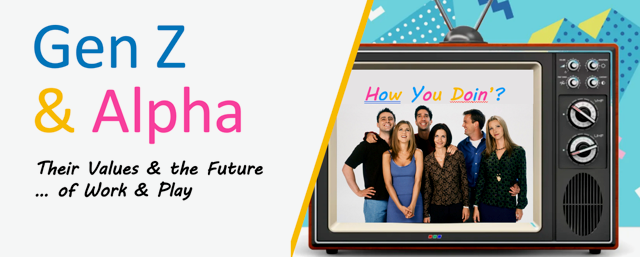
  • RECORDING: Gen Z and Gen Alpha: Their Values & The Future of Work and Play

    RECORDING: Gen Z and Gen Alpha: Their Values & The Future of Work and Play

    This Knowledge Share has been generously sponsored by The Lens, a high-specification viewing facility in the heart of Farringdon.

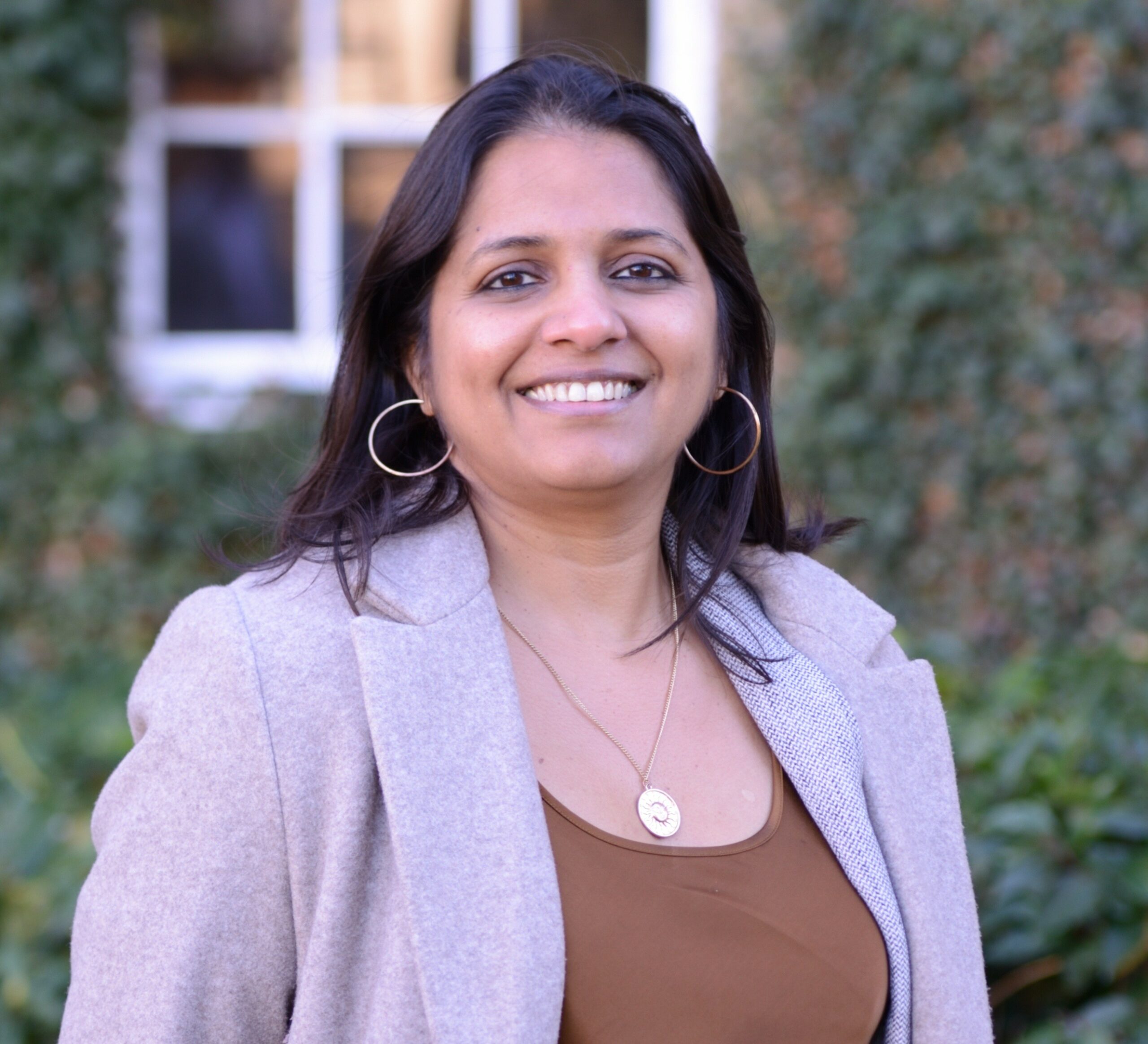
    We welcome ICG member Pam Goldfarb-Liss to run this Knowledge Share.

    Knowledge Shares are run by ICG members for ICG members (only).

    Think about this: by the year 2030 — more than 60% of the work force will be Gen Z and Millennials and by the year 2040 — as Millennials age and Gen Xers retire — more than 70% of that same work force will be Gen Z and Alpha. We already see the impact of Gen Z on the workforce as the values of work life balance build even stronger connections to support and greater overall balance. Gen Alpha promises to expand this focus into jobs that don’t even exist yet in workplaces that might connect even more to a new emphasis on work connections and support.

    This Knowledge Share is part of an ongoing exploration that ICG member Pam Goldfarb Liss is seeing in her conversations with so many of her Gen Z and Gen Alpha respondents around what they want for their futures and in their future workplaces. Insight she hopes will get you thinking about your own workplace and views on these two younger generations.

    Presented in a fun analogy to one of this generation’s favourite nostalgic TV show from the 1990’s “Friends”; Pam will share her findings from several young respondents and present them within the context of existing third party research. This will to show these future generations’ evolution towards work and play that hopes to illuminate and encourage dialogue with your personal ‘Friends’ who are Gen Z and Alphas. Pam is hoping she’ll spark some great dialogue with ICG members attending as well.

    About Pam Goldfarb Liss:

    With more than 30 years of experience, Pam loves the never-know-what’s-coming-next fun of learning from listening to consumers especially younger consumers. Pam has moderated topics from soda pop, baby bottles, refrigerators and hamburgers to travel, streaming networks, toys and diabetes and urinary tract infections. The glamorous life of a focus group moderator has brought her to see many emerging opportunities for companies and non-profits on many subject matters as it’s all interesting to her. In addition to enjoying moderating with kids and teens, Pam currently teaches and hosts — Mission Kid Possible powered by LitBrains-Igniting Ideas! — an online learning library with on-demand and live kid-sized workshops focused on training professional market researchers around the nuances of working with younger audiences. Pam is an active member and former board member of the Qualitative Research Consultants Association (QRCA), Creative Education Foundation and an industry cheerleader of all things creative and cool in market research especially the ICG.

    Pam lives in Minneapolis, Minnesota USA with her husband and Gen Zalpha (17-year old Gen Z/Alpha cusper) daughter. Having just turned 59 in August 2026, Pam has made it her mission to spark dialogue around the workplace of the future and how listening to the younger generations can create an incredible exchange where we all stay young and vital. (See photos of Pam in her never getting old or serious state).

    Watch the recording here

    Please note – special offer for ICG members

    Pam is presenting another live kid-sized workshop for her Mission Kid Possible online learning library on October 1st at 5 pm UK time (11 am central/Noon eastern US). Hoping our ICG friends will want to receive a $20 discount offer to attend. It is a ‘Rules of the Road for Younger Respondents’ workshop that outlines basics to succeed with kids and create age-appropriate expectations for them.  Use the special code: Neighbour (spelled like you do in the UK) for ICG members. (Normal price is $99 USD).

  • We Haven’t Forgotten How to Connect

    We Haven’t Forgotten How to Connect

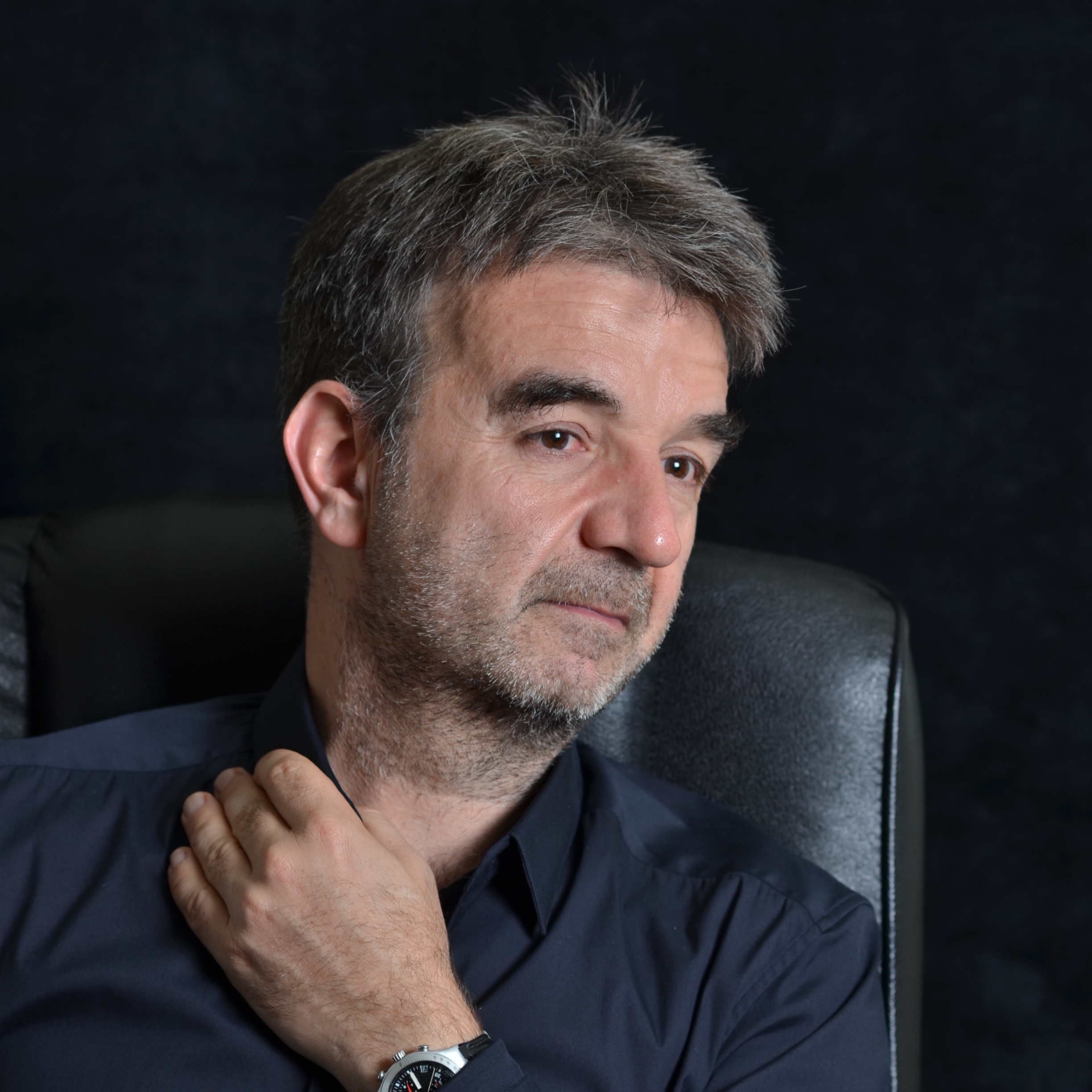
    Article by Sabine Rats, business colleague of ICG member Wim Buedts, Independent Minds. 


    Somewhere along the way, talking to a stranger started to feel risky, not relaxed. Better to say nothing than to bother someone who probably isn’t interested anyway.

    In my work, I watch that fear dissolve, nearly every time.

    Put people together in a room, on- or off-line, and ask them what they really think.

    Within an hour they open up, faster and more warmly than everything we’re told about a disconnected world would predict. With me, as the researcher. And, more strikingly and even better, with each other.

    Two things seem to pull them in. The simple pleasure of hearing how someone else sees it, and learning something you hadn’t thought of. And the quiet relief of being recognised, of someone nodding and saying: yes, I think that too.

    Here’s what strikes me most. The thing that holds us back is almost always a misread.

    Psychologists have measured it. We expect a conversation with a stranger to be awkward, so much so that we would often rather sit in silence. And afterwards we underestimate how much the other person actually enjoyed us.

    We assume nobody wants to hear what we have to say. They almost always do. And sometimes the thing we are most sure nobody wants to hear is exactly what sets everyone else free.

    One moment I still think about. A room of mothers, talking about public transport. Most complained cheerfully. Toddler screaming on the bus, buggy with lots of shopping bags, the whole carriage sighing. An anecdote. Something to laugh about at the school gate.

    One of them went quiet.

    She had five children and the bags to match. On that bus, she takes up room, and she feels every glance that says so. Then she said it. When her child screams and the bags are everywhere and the whole carriage has to move around her, it is not an anecdote.

    It is a verdict. Not on her children. On her.

    So she walks. Forty minutes, five children and full bags, rather than fifteen minutes of being looked at. She had never said that out loud. She said it because she heard a stranger tell the same story without shame.

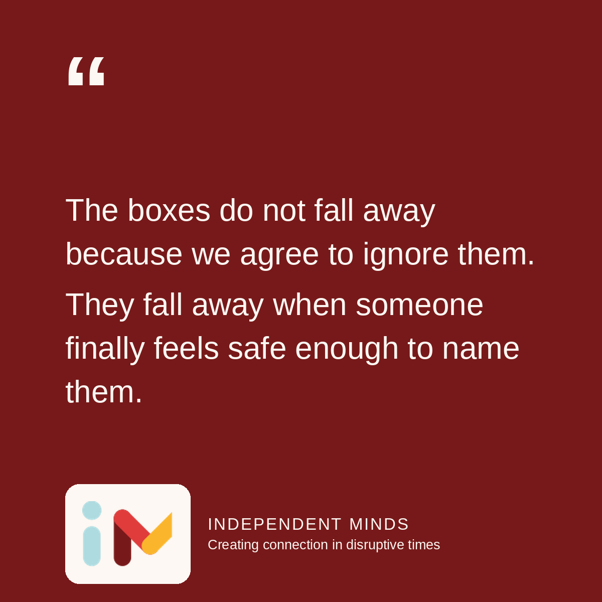
    The boxes do not fall away because we agree to ignore them. They fall away when someone finally feels safe enough to name them.

    How much room we take up, how visible we feel, how sure we are that we belong. The things we assume divide us turn out to be remarkably thin, once we are actually listening to each other.

    Which makes me wonder whether we have the story wrong. Maybe connection was never something we lost. Maybe it is a muscle we have stopped using, in a world that keeps handing us reasons not to start.

    The appetite is still there.

    Give people the room, and they will still reach for each other.

    Wim Buedts | LinkedIn

  • Data Protection Requirements – Getting Your Ducks In A Row

    Data Protection Requirements – Getting Your Ducks In A Row

    This webinar is presented by ICG member Mike Wooderson, Stonewood Associates  Mike will take us through the following elements of data protection, ensuring that you’re up to speed and fully compliant; Introducing Stonewood Associates Establishing the Controller Know the the relevant legislation for the markets you’re working in The 7 Principles and Rights Let’s look at the documents in your nest Kow the what, where, and how A quick world tour Summary of your flock Questions and discussion


    Register your place here 

    This webinar is available for sponsorship at £175+VAT. Contact manager@theicg.co.uk if interested.

  • What a World Cup Goalkeeper Can Teach PR Teams about Earning Coverage

    What a World Cup Goalkeeper Can Teach PR Teams about Earning Coverage

    Article by ICG member Nik Harta, Yolo Communications

    Picture the scene: penalty shootout, World Cup final, New York/New Jersey Stadium, 80,000+ people holding their breath. The goalkeeper has roughly 0.3 seconds to guess which way the ball is going.

    What a World Cup Goalkeeper Can Teach PR Teams About Earning Coverage

    Here’s what most people don’t see: that guess isn’t really a guess. It’s the output of weeks of research — footage of the shooter’s last 20 penalties, notes on how their run-up changes under pressure, scouting reports built up over years of preparation.

    The dive looks instinctive. It isn’t. It’s earned.

    That’s the part of PR that doesn’t get enough credit: the story doesn’t start with the pitch. It starts with the research.

    Journalists don’t cover guesses. They cover insight.

    A good story needs a reason to exist — a genuine shift in behaviour, an unexpected number, a tension between what people say and what they actually do. That reason rarely comes from a brand’s internal opinion of itself. It comes from properly understanding the market: the audience, the trends, the gap nobody’s named yet.

    That’s what effective market research gives a PR campaign:

    • A real finding, not a claim. “We think our customers care about X” is forgettable. “Our research shows 62% of X actually do Y” is a headline.
    • A story with legs. Solid data travels — journalists build on it, other outlets pick it up, and it keeps generating conversation well past the original send date.
    • Credibility under scrutiny. When a reporter asks “how do you know that?”, a well-designed study is the answer that keeps the story standing.

    In other words, research isn’t a step before the PR campaign. Done well, it is the campaign — the same way the keeper’s preparation isn’t separate from the save, it’s what makes the save possible.

    The data has to feel like something

    Numbers alone don’t create traction. People share stories that feel true to their own life — the finding that makes a reader think “that’s exactly what I do” or “I had no idea that many people felt this way too.”

    That’s the real value of well-planned market research: it doesn’t just produce a statistic, it surfaces a human pattern the reader recognises in themselves. A stat about “changing consumer habits” is easy to scroll past. A finding that shows people quietly worrying about the same thing they thought only they worried about — that’s the one that gets read to the end, screenshotted, and sent to a colleague with “this is so true.”

    Before a campaign goes out, it’s worth asking three questions of the research behind it:

    • Does it show real understanding of the audience? Not the brand’s audience in the abstract — the specific people the story is meant to reach, described in a way they’d recognise themselves in.
    • Does it add value, not just column inches? A reader should walk away knowing something useful or true they didn’t before, not just a brand name attached to a big number.
    • Is it thought-provoking? The findings that travel are the ones that make people reconsider something, argue about it, or want to know more — not the ones that simply confirm what everyone already assumed.

    Research that clears those three bars doesn’t just inform the pitch. It gives the journalist a reason to believe their own readers will care — and it gives the reader a reason to feel understood.

    Good research, done badly, still misses

    Not all research earns its place, though. A rushed survey with leading questions, a sample too small to mean anything, a “study” that exists purely to justify a press release — audiences and journalists both see through it quickly, and it can do more damage to a brand than saying nothing at all.

    The research that gets picked up is considered: the right questions, asked of the right people, analysed honestly — including when the findings aren’t the ones the brand hoped for. That’s what separates a genuine media moment from a press release nobody trusts.

    Why this matters for PR teams specifically

    Media coverage and brand awareness aren’t won in the moment a pitch is sent. They’re won in the weeks of preparation before it — the same weeks a goalkeeper spends studying tapes before the ball is ever placed on the spot.

    For PR teams, that means research shouldn’t sit in a separate department, delivered as a data dump with no story sense. It works best woven into the campaign from day one, shaped by people who understand what makes a journalist stop scrolling — and what a client actually needs the coverage to achieve.

    Saving the penalty makes the goalkeeper a hero. Good research can do the same for you.

    Nobody remembers the shootout for the shootout. They remember the keeper who read it right, dived the correct way, and became the hero of the story. The preparation happens quietly, for weeks, out of view — the moment is what everyone sees.

    PR works the same way. The client doesn’t see the questionnaire design, the sampling, the weeks of analysis. They see the headline, the coverage, the campaign that landed. Done well, research is what turns a PR team from the people who sent a press release into the people who found the story nobody else had — the ones who made the save.

    This is where we come in

    At Yolo Communications, we build market research specifically to power PR outcomes — not research for its own sake. We work as an extension of your team, understanding your client’s goals and the realities of pitching, so the findings we uncover are built to travel: newsworthy, defensible, and genuinely useful to the audiences you’re trying to reach.

    Good research doesn’t just inform a campaign. It becomes the campaign — the headline, the hook, the reason a journalist says yes, and the reason a reader stops scrolling to say “that’s exactly right.”

    If you’re a PR professional who wants your next campaign to earn coverage rather than chase it, let’s talk about what Yolo Communications can uncover for your brand — and help make your team the hero of the story.

    Home – Yolo Communications

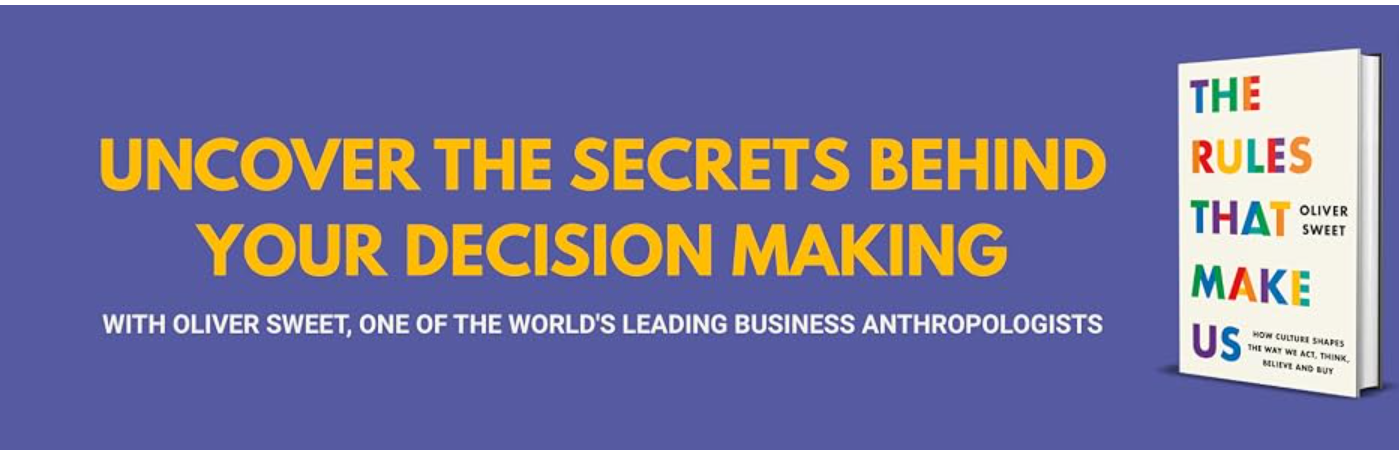
  • ICG Book Group: The Rules That Make Us by Oliver Sweet

    ICG Book Group: The Rules That Make Us by Oliver Sweet

    Please join us for this Book Group session where we have the privilege of welcoming our author to talk more about the book and join in our discussions about it.

    Culture has got a lot to answer for these days. Culture wars, woke culture, and cancel culture (to name a few!) have made the world feel chaotic. And that change is real – culture is no longer linear, progressive and predictable, and instead has become divergent, oppositional, and unpredictable. While this is easy to see in politics and society, the same issue applies to organisations and brands. By using an accessible model for understanding culture – The Cultural Trinity – we can find ways to both analyse and change culture in simple, accessible ways. Oliver Sweet is one of the world’s leading business anthropologists, helping brands like Coke, IKEA, Google and Dyson, as well as foundations and governments, decode why people really do what they do. His book, The Rules That Make US, is a rethink of human behaviour, showing that life, business and society are driven less by psychology and more by culture.

    Register for this session here 

    You don’t have to have read the book to attend but we encourage you to do so!  Oliver Sweet | LinkedIn
  • Emotional Resilience for Researchers – A Reflective Workshop

    Emotional Resilience for Researchers – A Reflective Workshop

    Join ICG member and Certified Counsellor Katherine Passerieu in this workshop for 10 ICG members. Hurry – first come first served. 

    Why is this Workshop Needed?

    The emotional landscape of research is often overlooked, yet independent researchers are facing increasing pressure to meet time and budgetary constraints, deal with demanding clients, and compete against a rapidly changing landscape.

    What is Emotional Resilience?

    Emotional Resilience can be defined as the ability to adapt, recover, and maintain well-being in the face of stress or challenges. Resilience can be built through the understanding of what it entails and the practice of recognised well-being routines.

    About the Workshop

    This will be a one-hour reflective and practical space for 10 ICG members to explore the shared experiences of business pressures that they’re facing and offer some simple frameworks to help navigate these. It won’t be therapy, but will be informed by counselling and psychotherapy. It will offer a confidential and respectful space to share and learn.

    Register here (hurry, only 10 places)

    If you don’t manage to get a space or if this date doesn’t suit, please email us by clicking here – if there’s a demand, Katherine may run the session again.

    Katherine Passerieu, Author at The ICG Katherine Passerieu | LinkedIn
  • Adapt with Intent: What Should Agency Leaders Do Next?

    Adapt with Intent: What Should Agency Leaders Do Next?

    Article first written for Research Live May 2026 by ICG member Paul Griffiths.


    Market research agencies don’t lack opportunity – but they do face an urgent question: how do we remain indispensable in a world reshaped by AI, data abundance and new competitors?

    At the MRS Leaders Forum on 20th May, one theme came through clearly: success won’t come from reacting to change, but from adapting with intent.

    Transformation is no longer optional – it is a commercial imperative. The marketplace offers huge opportunity, but also real disruption. The agencies that thrive will be those that make conscious choices about how they evolve – building consultative capability and stepping forward with confidence to seize what this new environment offers.

    A growing opportunity, if we choose to own it

    The demand for data, research and insight continues to expand rapidly. Much of this may sit outside what we traditionally label “primary research”, but it is firmly within our industry’s heartland.

    Large parts of the commercial world are only now beginning to systematically listen to and understand their customers. Technology is unlocking this at pace. As highlighted in the MRS Business of Evidence report (as introduced by Jane Frost, chief executive at MRS), this shift is not marginal – it is structural.

    For agency leaders, this reframes the challenge. Our role is not shrinking; it is broadening. The opportunity is to define our place at the centre of this expanding ecosystem, rather than defending a narrower, historical definition of research.

    From insight provider to decision partner

    The most consistent thread throughout the forum was the shift from research delivery to advisory partnership.

    As an industry, we can own the space of decision confidence – helping clients make better, evidence-led commercial decisions. This goes beyond providing high-quality, validated data. It means embedding insight into how decisions are made, increasingly within AI-enabled environments.

    However, making this shift requires more than intent – it requires repositioning.

    Nicole Duckworth of 4twenty2 made a particularly important point: if over 80% of decisions about advisory partners are made before a formal buying process begins, then agencies competing at pitch stage are often already too late.

    For leaders, this demands a rethink of commercial strategy. Winning work is no longer just about conversion; it’s about presence earlier in the client’s thinking – shaping problems, not just responding to them.

    Transformation is a continuous journey

    In conversation, Paul Hudson of FlexMR reflected on a 20-year journey that has already involved two major business model transformations – with a further shift now underway towards a more consultancy-led model.

    The lesson here is clear: transformation is not a one-off event. It is an ongoing process of reinvention, driven by deliberate choices about where to play and how to win.

    Similarly, Dr Matilda Andersson’s experience of scaling and selling Truth Consulting reinforced the attractiveness of a consultancy-led model – but also the importance of a clear, focused and well-communicated plan. Investors are drawn not just to growth, but to clarity of direction.

    Building the capabilities to deliver change

    If the ambition is clear, the next question is capability.

    Rachel Fraser’s session on developing “future leaders by design” highlighted the need for intentional investment in leadership and skills. Transformation does not happen by accident – it is built through deliberate capability development over time.

    This is perhaps one of the biggest challenges for agency leaders: balancing short-term delivery with long-term capability building. The shift to consultancy, advisory and influence requires different skills – commercial, relational and strategic – as much as technical.

    An industry already reshaped

    Change is not just ahead of us – it has already been happening at pace.

    As Lucy Davison of Keen as Mustard Marketing and Kahren Kersten of Cambiar Consulting highlighted, the ownership structure of the industry has shifted significantly over the past two decades. Where once private and public ownership dominated, today more than 50% of capital comes from private equity and venture capital.

    This has profound implications:

    • Greater expectations of growth and scalability
    • Increased focus on commercial strategy
    • More disciplined approaches to transformation.

    The experiences shared by industry leaders (Ginny Monk of Motif, Jonathan Williams of One Strategy Studio and Dave Phillips of Kantar) who have navigated these transitions reinforced a consistent message: clarity of objective and decisive execution are critical. Change is rarely comfortable – but it is manageable when approached with intent.

    A collaborative and resilient community

    One of the most striking aspects of the forum was the openness of the discussions. Agency leaders sharing challenges, comparing approaches and working through common problems together.

    Despite the disruption many are feeling, there is also a sense of confidence. Our industry combines intellectual rigour, professional standards and a deep commitment to putting real people at the heart of decision-making.

    Those fundamentals remain highly relevant.

    Moving forward: adapt with intent

    The agencies that thrive in the next phase of our industry will not be those that simply keep up with change.

    They will be those that:

    • Make clear choices about their future role
    • Invest deliberately in new capabilities
    • Position themselves as partners in decision-making, not just providers of data.

    The opportunity is there. The demand for insight, evidence and understanding is only increasing.

    The question for agency leaders is simple: are we adapting by default – or are we adapting with intent?

    Paul Griffiths is growth consultant at Client Advocates

    The MRS Leaders Forum is a network for agency leaders. 

  • Designing Presentations with Canva AI

    Designing Presentations with Canva AI

    Knowledge Shares are presented by ICG members, for ICG members only.
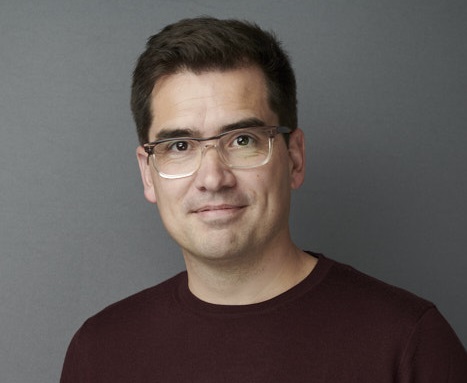
    Last year we did a whistlestop tour of Canva. This Knowledge Share now focusses just on creating presentations in Canva, particularly using Canva AI. We’ll start with setting up your brand kit, or your client’s brand kit, in Canva, to get consistent, reproduceable output every single time Then we’ll focus on Canva AI, what it can and cannot do, and how it compares to similar AI-presentation tools like Gamma or Beautiful.ai, and how you write effective prompts to save you time designing your slides. Our Speaker – Ramona Daniel I’m a cultural insights and research strategy consultant with over 25 years of experience at leading global agencies including Ipsos, Kantar, and across the WPP network. I now work independently, partnering with organisations that need senior-level expertise on a flexible, freelance basis. Clients value my ability to step into complex projects quickly. My work bridges strategic thinking and hands-on delivery, from designing multi-market research programmes to translating data into compelling cultural narratives. I specialise in helping businesses decode cultural shifts, optimise research processes for greater efficiencies, and upskill teams – particularly at the intersection of traditional research methodologies and AI-driven analytics tools. https://www.linkedin.com/in/ramonadaniel/ Ramona Daniel, Author at The ICG https://www.23insights.co.uk/
    Register for this session here (ICG members only) 

  • Beyond Claude: Building Real Research Capability with Agents

    Beyond Claude: Building Real Research Capability with Agents

    This Knowledge Share has been generously sponsored by Liveminds.

    “Can’t you just paste survey data into ChatGPT?”

    Well, you can, but you’ll hit serious problems with security, accuracy, and adhering to MR standards. ICG member Matt Gibbs will demonstrate what a reliable alternative looks like, sharing tips and knowledge, having spent the past few years building agentic systems specifically for market research. This session covers:
    • How agentic systems accelerate speed to insight while maintaining MR-grade rigour
    • Six principles for evaluating any AI solution (expanding on Matt’s recent ICG article)
    • Top tips on what to demand from your vendors
    • Practical knowledge-share for independents advising clients on AI adoption
    The session closes with a call to action: how our sector can lead responsibly in a world where AI is reshaping research, and what independent consultants can do to guide their clients toward tools that protect, rather than undermine, the industry’s standards. Matt Gibbs Matt enjoys music, beer, conversation & crispy nibbles. If you can throw cricket into that mix…more’s the pleasure! Professionally, he’s a founder of Bayes Price, owner of Platinum (Human insights. AI-Powered.), ICG member, Certified MRS, Member of the Australian Research Society, and Chair of the TSAPI Steering Group. He tries to promote our insights sector, share knowledge, and is keen to facilitate communications between anyone interested in better connecting insights with the wider world.  Matt’s most recent presentations include “Standing Up For Insights” at IIEX Washington April ‘26 and “Moving the Ownership from Data Point to Point of View” Quirks London May ‘26. Matthew Gibbs | LinkedIn.
    Register for this session here

  • ICG Member AI Survey –  Wave Three Results (With Discussion About AI Agents)

    ICG Member AI Survey – Wave Three Results (With Discussion About AI Agents)

    Come and join us at this ICG-member only discussion which will cover;

    • The results of the third wave of the ICG-member survey about AI (including responses to the questions about AI Agents) 
    • How these results  compare to previous waves
    • Further feedback and discussion about use of AI Agents*
    • Overall next steps for us all as Indies.
    *If you have experience of using AI Agents, or have an opinion about them in any way, please get in touch with us now – we’d like to kick off the discussion with your thoughts.  With special thanks to those involved in this survey; Aakanksha Haran Aakanksha runs Smart Move Ventures, a UK data and research consultancy specialising in quant and qual methodologies, with a significant part of her business currently run via AI tools. She has run all three waves of the ICG AI monitor survey, the results of which will be shared. Aakanksha will be joined by her colleague, Swaraj Hanmante, who was heavily involved in the preparation of these findings. Tom Woodnutt  Tom is the founder of Feeling Mutual, a  strategic qualitative research consultancy. He has been a co-lead on the ICG AI survey initiative. Sally Alsop Sally Alsop Sally runs Agfora Ltd –  a market research consultancy that has been providing bespoke research services and strategic advice for almost 20 years.They provide qual and quant market research services for organisations operating in B2B and some of the trickier B2C sectors. Sally has been running the ICG webinar programme for many years.

    Register for this session here