Topic: ICG Matters, Guidance & Materials

  • ICG Members’ Buddy Scheme:  June ’26 – Aug ’26 inc

    ICG Members’ Buddy Scheme: June ’26 – Aug ’26 inc

    Join our next ICG member Buddy Scheme!

    You’ve seen their name on the e-group, you’ve noticed their face at an ICG event, but how do you really get to know them and become known yourself?

    You join this quarter’s Buddy Scheme!

    Now in its 4th year, this is a great opportunity for ICG members to meet and exchange ideas/opinions with another member over a 3 month period. 

    No huge commitment needed, just a willingness to (probably virtually) meet up with your ‘buddy’ at agreed times and agree to share work issues/concerns/questions with each other.

    Suggestions for how to have a successful Buddy experience here

    To sign up to our next Buddy scheme, register here

    (Registrations open until end of 26 May)

  • Power of Presence (PoP) Campaign – Results from Survey

    Power of Presence (PoP) Campaign – Results from Survey


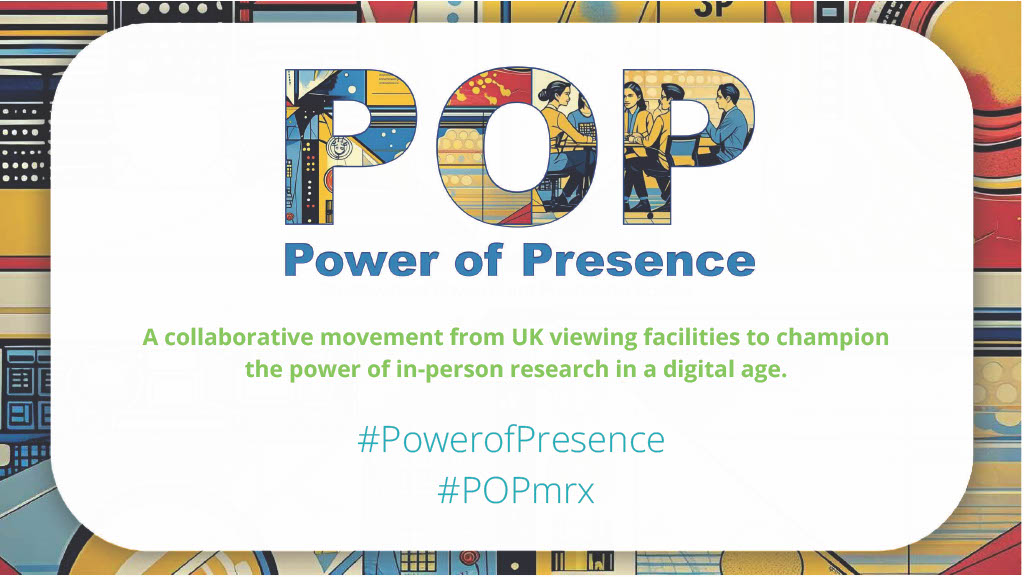
    During the Covid Pandemic of 2020/21, whilst in-person research was completely suspended, viewing facilities came together as an Action Group. During 2025, the group has evolved from coordination into collaboration (the ‘Collective’), working together to further strengthen their sector.

    The Power of Presence (POP),  the brainchild of iView, with a healthy dose of AI and has been embraced and promoted by the Collective.

    The Collective do not reject technology – like most in the industry, they regularly use AI to accelerate workflows and efficiencies.

    Their point is that they see AI as a partner, not a replacement. It enables speed – but POP is about people bringing the soul!

    The Collective believe that participants, moderators and researchers, feel and connect … noticing and understanding the things that data alone cannot.

    Results of the industry-wide survey here 

  • Great News for ICG Member Dan Parker-Smith

    Great News for ICG Member Dan Parker-Smith

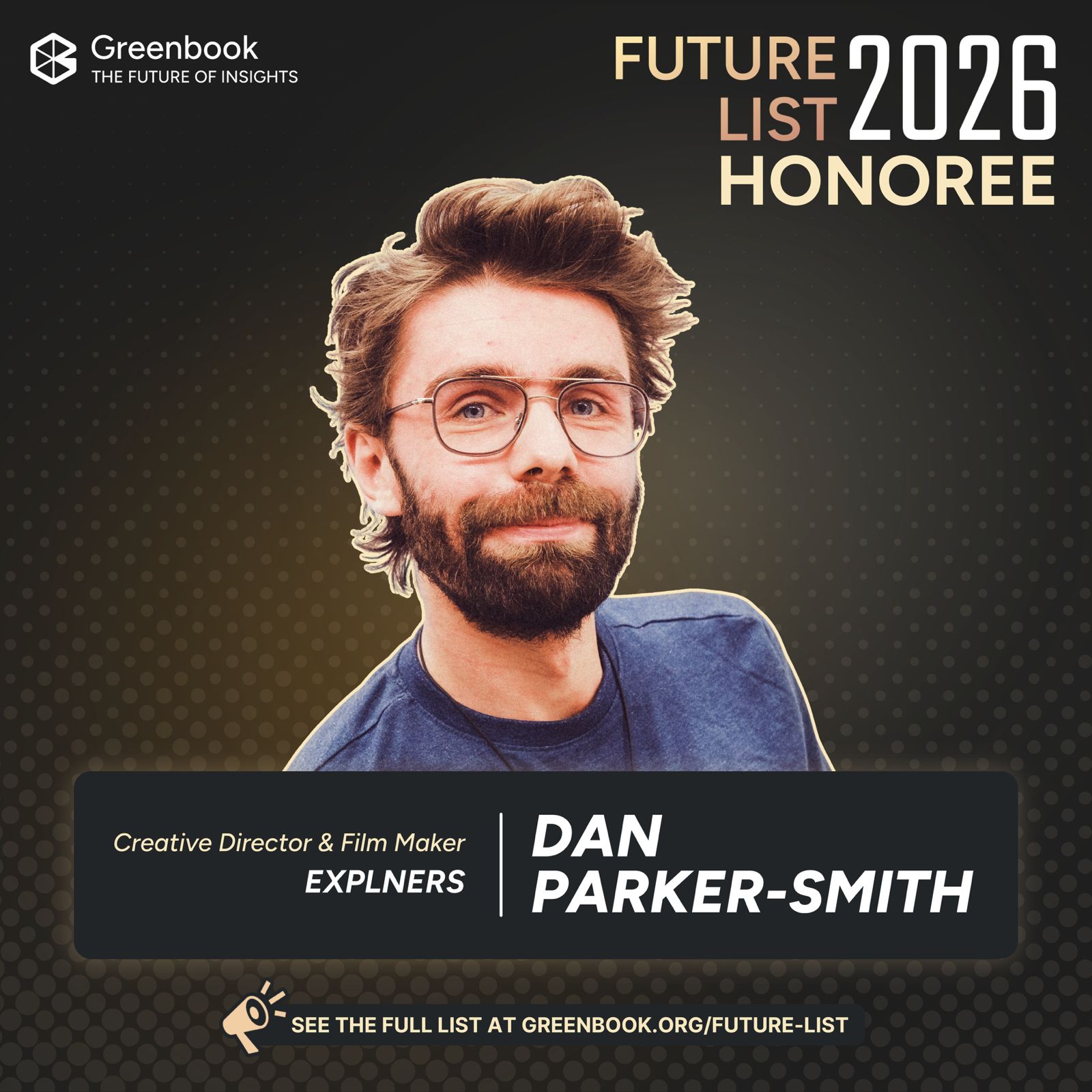
    Independents can sometimes feel a bit overlooked by the industry; the likes of the MRS, ESOMAR and Greenbook seem like they are set up for the big corporates, and it can be hard to get heard or noticed, let alone find the money to attend their events. That’s why it’s even more of an achievement when one of our own is recognised. So, we’re incredibly proud to announce that Dan Parker-Smith is a 2026 Greenbook Future List honouree. The award is for people who have had an impact in the first decade of their career and Dan was selected from over 100 global applicants to be part of this year’s cohort of 20. This means he gets to speak at IIEX in Amsterdam, so the EXPLNERS team are packing our bags and booking our flights in a state of high excitement.

    Why was he picked?

    For those of you who don’t know Dan, here’s a quick tour:


    Dan has a film degree, specialising in documentary filmmaking but, like so many of us, fell into market research. He was employed as a junior agency researcher but quickly realised he was able to use his film degree to conduct video ethnographies, and to set up and expand their video practice.

    Having seen the value of video to the research sector, he then set up his own independent company, The Word is Out. This was a big risk and challenge for someone still in his 20s – he had to invest in camera equipment, software licencing, insurance, etc, as well as learning how to run a business – but Dan made it all work. Part of his success came from joining the ICG and working with many of us whenever video was needed.

    I met Dan through the ICG, and together with Mark Whalley, we set up EXPLNERS. We’d all observed that there was an opportunity to help researchers tell more effective stories and activate insights with stakeholders, but Dan was the one who had the insight and creativity to spot that the explainer video format would be a brilliant fit for our sector.

    Why this is great news for the ICG too

    I love that Dan has been recognised in this way because it highlights that there are many different ways to be successful in our sector:

    • You don’t have to work for a big corporate; you can be an independent.
    • You don’t have to work in ResTech or AI; you can make a career out of human creativity, even in these times.
    • And you don’t have to have a business or marketing degree; people from different disciplines, such as film, bring different creative perspectives to what we do.

    When Dan stands on the stage at IIEX in Amsterdam in June, he will be representing independence and entrepreneurship, as well as his own general brilliance. The EXPLNERS team are so incredibly proud of him, and I know the rest of the ICG membership will be too.

    Judith Rose, Co-Founder, EXPLNERS


  • RECORDING: Basic Compliances for SMEs

    RECORDING: Basic Compliances for SMEs

    Join us for this informative webinar run by Accountant Jai Haran (husband of ICG member Aakanksha Haran).

    Based on the topic areas that many of you requested, Jai will talk about business compliance requirements for

      • Accounting and Corporation Tax
      • VAT essentials
      • PAYE basics
      • Company Secretarial.

    He’ll then be available for questions.

    A perfect start to the year – get your company and finances operating efficiently – and compliant with the law.

    Jai Haran

    Jai works at RNM UK –  a firm of Chartered Certified Accountants, tax and business advisers. Their key focus is identifying opportunities that give our clients a meaningful business advantage. They provide a full range of accounting and business services to enterprises and individuals helping them to achieve growth and long-term success. Between them, they have decades of knowledge and practical experience.


    Watch the recording here 

    Slides here 

    ICG Webinar RNM slide 080126_R

  • Award Finalists 2025 Submissions

    Award Finalists 2025 Submissions

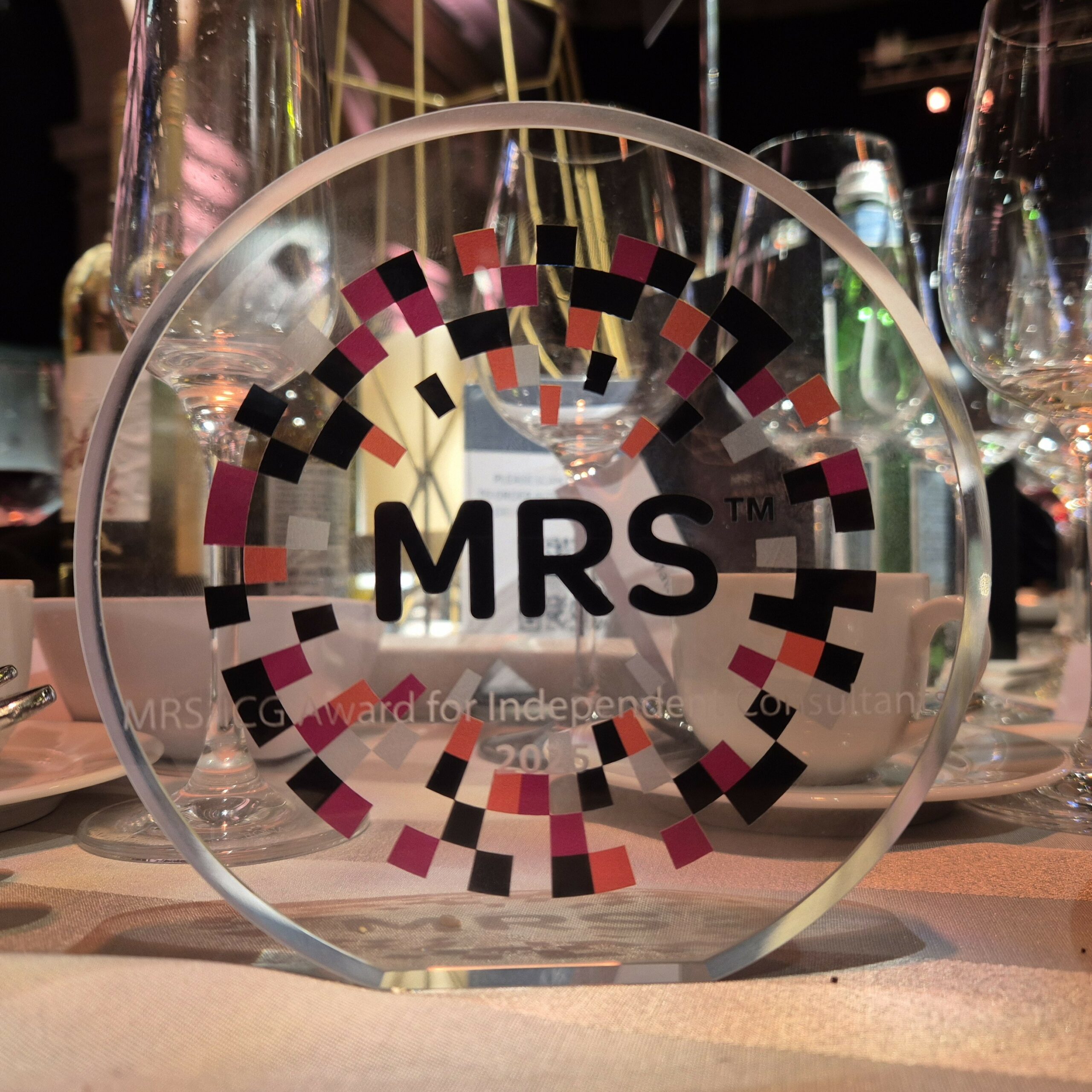
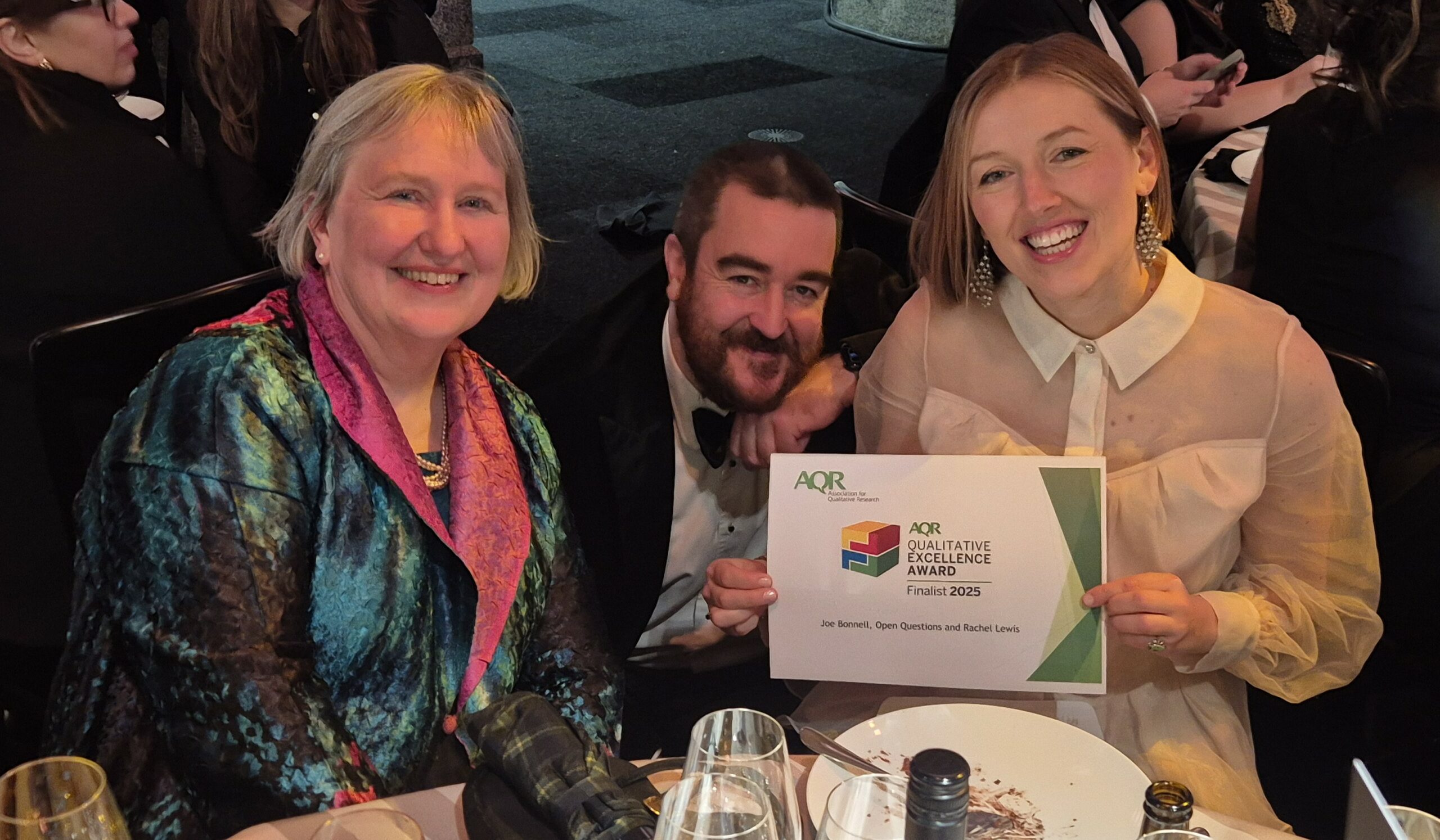
    Come and hear from our 4 Award Finalists from last year about their submissions. Hear more about how they approached their work, the hurdles they overcame, what worked well and less well, and why they chose to enter the Award. A great opportunity to learn from other consultants and ask them questions. Also an opportunity to find out more about the Award for 2026. Our Finalists AWARD WINNER: Wren Insight: Hannah Beech and Judith Terry  Reimagining the Students’ Union: transforming student life through a closeness-led segmentation Wren Insight partnered with Reading Students’ Union (RSU) to revolutionise how a Students’ Union should operate in 2025 and beyond.  Our ethnographic and closeness-led approaches informed and embedded a statistically rigorous and richly human segmentation, with students’ emotional needs at its heart. The research challenged outdated assumptions about student lives and directly shaped a new RSU in strategy, structure and services – including better targeted student provision and refocused commercial planning.  This enabled RSU to secure increased University funding and deliver to its purpose of helping all students to live a happy and fulfilled life at University. https://www.linkedin.com/company/reading-students-union/  https://www.linkedin.com/in/hannah-beech-9bb60752/  https://www.linkedin.com/in/jude-terry-b68b6914/ Highly Commended:  Open Questions: Joe Bonnell and Rachel Lewis: XLH UK Patient Stories – How ethnographic research led to life-changing results for people living with XLH This research was conducted by independent researchers Joe Bonnell and Rachel Lewis. It was commissioned by XLH UK, a charity that supports people living with X-Linked Hypophosphatemia (XLH), a rare genetic condition. Our client had two research objectives:
    • Generate better awareness and understanding of XLH
    • Provide evidence to NICE / NHS England as they were appraising a game-changing new drug, Burosumab, to receive funding for use in adults with XLH on the NHS
    This was a creative, sensitive and collaborative research project that combined excellence in the use of qualitative interviews and the innovative use of visual ethnography and co-production. Our work had major impacts for our charity client, XLH UK, and the people it supports. Our research contributed to a “life-changing” new drug being approved for funding on the NHS for use in adults living with XLH. Our key analytical theme, “navigating uncertainty”, became central to our client’s strategic vision, shaping the way they frame and offer support, and guiding their communications. Our work also had a significant impact on our participants — feeling confident and empowered to share their personal stories publicly for the first time. This project highlights the impact that a small, specialist team of experienced, independent researchers, dedicated to working equitably and flexibly with our participants and our client, can achieve. All outputs from the project are public domain, and you are welcome to view them here and here. Joe Bonnell | LinkedIn  Rachel Lewis | LinkedIn Deep Blue Thinking: Nick Bonney: Putting the Art Back into Artificial Intelligence  This submission was about harnessing the power of AI alongside rather than instead of sound qualitative research techniques. By using AI-driven sentiment analysis we were able to create structure around a large volume of customer feedback forms and open up the kind of modelling to our SME client (a regional security company) that previously would have been out of reach for a business of this size. However, we would not have got the same results if we’d simply been ‘slaves to the algorithm’ . By combining the machine learning with qualitative techniques such as call listening, spending days with engineers and customer depth interviews, we were able to develop a much more nuanced approach. Perhaps more importantly, we harnessed the power of face to face workshops to ensure we got buy into the results both from senior management and from team leaders. This has enabled the prioritisation of six key customer experience workstreams, each designed to address to a key underlying churn driver. https://www.linkedin.com/in/nickbonney/ SMPL Research: Poppy Reece, Sean Marks, Maura O’Malley Real voices informing real change for women’s safety SMPL Research evaluated two women’s safety initiatives for MOPAC and TfL – an impact evaluation of the Women’s Night Safety Charter, and process evaluation of a safety audit programme led by members of the community trained as researchers. We used traditional research methods alongside creative digital ethnography to amplify lived experience. Our insights helped shape improvements to future safety audits and informed strategies to embed inclusive, community-led approaches to make London safer for women and gender-diverse people. https://www.linkedin.com/company/smplresearch

    Register for this webinar here

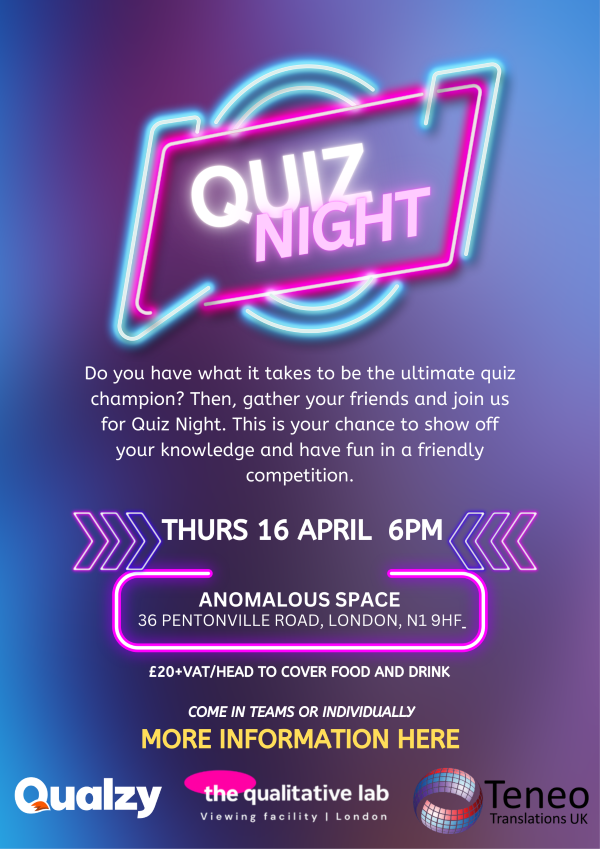
  • The ICG’s Annual Quiz Night

    The ICG’s Annual Quiz Night

    We’d love you to join us! Come individually (we’ll allocate you a team), or as a team (of 5).* Special thanks to;

    Tickets here

    SPECIAL OFFER: *COME AS A TEAM OF 5 (JUST LET US KNOW HERE) AND WE’LL GIVE YOU A FREE BOTTLE OF WINE FOR YOUR TABLE.

  • Graham Booth on Research & Creative

    Graham Booth on Research & Creative

    ICG member Graham Booth is this week’s guest on Peter Spear’s Podcast, ‘That Business of Meaning.‘


    They cover a wide range of issues related to the application of qualitative research in the development of effective brand strategy and communications.

    LISTEN HERE 

    LinkedIn post here 

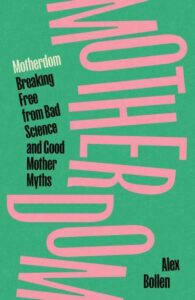
  • Motherdom’ by Alex Bollen – an Introductory Conversation

    Motherdom’ by Alex Bollen – an Introductory Conversation

    We were thrilled to invite author and researcher Alex Bollen to our members’ Book Group last week to talk about her book, ‘Motherdom.’

    Here’s the beginning conversation* where she talks about the book’s key themes of motherhood, social norms and cultural nuances over time, and specifically how this has shaped families and parenting today.

    Alex brings the rigour of her Insight training to this must-read book.

    #Motherhood #parenting #society #culture #insight #mrx

    (* attendees have been blacked out for anonymity).

    About the ICG’s Book Group

    Our Book Group meetings can vary in format from session to session; some welcome the author to runn a Q&A session, whilst others leave our members to critique the book ourselves.

    Please note that we want our Book Groups to be a safe space to explore – you can be assured that your contributions will never be shared outside of the meeting.


  • Judith Wardle Talks to Qualitative Recruiter Lynne Chapman

    Judith Wardle Talks to Qualitative Recruiter Lynne Chapman

    Article initially published by the AMSR. Interview by Judith Wardle.



    When Lynne went along to her local hotel a few years ago to hostess a group for the magazine Woman’s Realm, no-one was more surprised than her to see the fake wall hiding a camera crew. When the group was finishing, the crew burst through the wall and invited all the respondents to star in a TV ad. It could never happen today, with the strictures of GDPR but they were delighted. Then there was the hide constructed by a recruiter’s porch hiding Danny Baker, also bursting into the room to invite respondents to star in a Daz commercial. You may have seen it!  Only two of many memorable events in Lynne’s career as a qualitative recruiter.

    A recruiter’s life was nothing if not varied: one day private health insurance, next day fishermen. My interview with Lynne in her sunny yellow kitchen in Nottingham recalled the ups and downs of qualitative life but also reminded me of how our industry treated these women (and they were nearly all women) so poorly. Lynne was not alone in finding life as a qualitative recruiter frustrating and difficult.

    She was persuaded to take up the job by a neighbour in Mill Hill, alongside nine other jobs! Her motivation was keeping the family afloat and she knew little about research. An initial training course at QRS led to a lucky meeting with Marilyn, and the two of them got together to tackle the jobs that came their way. She puts down the longevity of their careers in research – over 45 years – to that partnership. Recruitment is a lonely job and having someone to share the burdens and successes made all the difference.

    Of all the jobs in qual research, as a moderator myself, I have long since believed that the job of the recruiter is the most difficult but having heard from Lynne, I am doubly certain. Think of the qualities and skills they need: resilience and perseverance to keep going when potential respondents say ‘no, thank you’, warmth and charm to reassure, intelligence and ingenuity to work out how to find those ‘needles in haystacks’. They were the bedrock of the industry; without them, there would be no respondents and no research and yet they were the first people to be criticised. Remember all the talk of ‘cheats’ back in the day? Remember those knee-jerk complaints from clients who didn’t like the findings? Clearly we weren’t talking to the ‘right’ people and whose fault is that?

    As an industry, we did not support our most important people, our recruiters. We failed to listen to them, when quotas were difficult; we paid them as little as we could get away with and we blamed them when things went wrong. In the power triangle, clients had the power and the recruiters at the bottom of the triangle too little.  The advertising agencies, also Lynne and Marilyn’s clients, got it right. They rewarded them fairly, they entertained them lavishly and they felt valued.

    Lynne was taught that the only correct way to recruit respondents was on the street, stopping people who could have fitted the quota. Well – that method didn’t last long. Even with the relatively simple quotas of the 80s, it was difficult to find people who fitted and once found, even more difficult to persuade them to spend an evening in a stranger’s house. Lynne and Marilyn quickly resorted to a card index system (she trained as a librarian!), bearing the details of individuals, when they had been interviewed and other relevant information. They relied on snowballing, not just them but respondents too were willing to help.

    So it was, and is, a lonely job, with sleepless nights worrying about how they were going to find those ‘needles’, whether they were going to turn up and even if they were going to be ‘good’ respondents, ie chatty and informative. (Not the recruiter’s job – Ed.) Then there was the disruption to the family, eating their evening meal before the respondents arrived and then shooed out of the TV room. The stains on the carpet, the respondent who wee-ed on the sofa, the imperious moderators moving the furniture and forbidding crisps (too noisy for the tape) all added to the acute anxiety of an evening of groups at home.

    Having said all that, recruitment definitely had its joys. Lynne has enjoyed having a role in her local community; she knows lots of her neighbours and they know her.

    The incentives play their part! When things went well, evenings ended on a high. She has always been hugely enthusiastic about the research process generally and the chance it gives for people to have a say. On one memorable occasion, she was chatting to a young Asian woman who was waiting in her kitchen when the woman burst into tears. She said it had been the only time she had been asked for her opinion; her father, brother and husband always spoke for her. ‘I have never been asked what I think’, she said. ‘That’s the power of research’, responded Lynne.

    How things have changed; Lynne puts the sudden change down to the pandemic. All of a sudden people were not able to meet in person and the advent of Zoom opened up new possibilities and cheaper ways of gathering respondents. Things have just got more difficult since. Recruitment has moved from being a community task to one that is done online and much of the joy has gone, too. Algorithms have replaced ingenuity and judgement; location as a factor in recruitment and analysis is disappearing as groups comprise individuals from all over the country. Lynne bemoans the changes but soldiers on, accommodating the changes, and took time to comment that some face-to-face work has come back.

    What a superstar!


    Lynne Chapman is an ICG member.